
Find Creative Satisfaction …
Create extraordinary photographs from ordinary scenes.
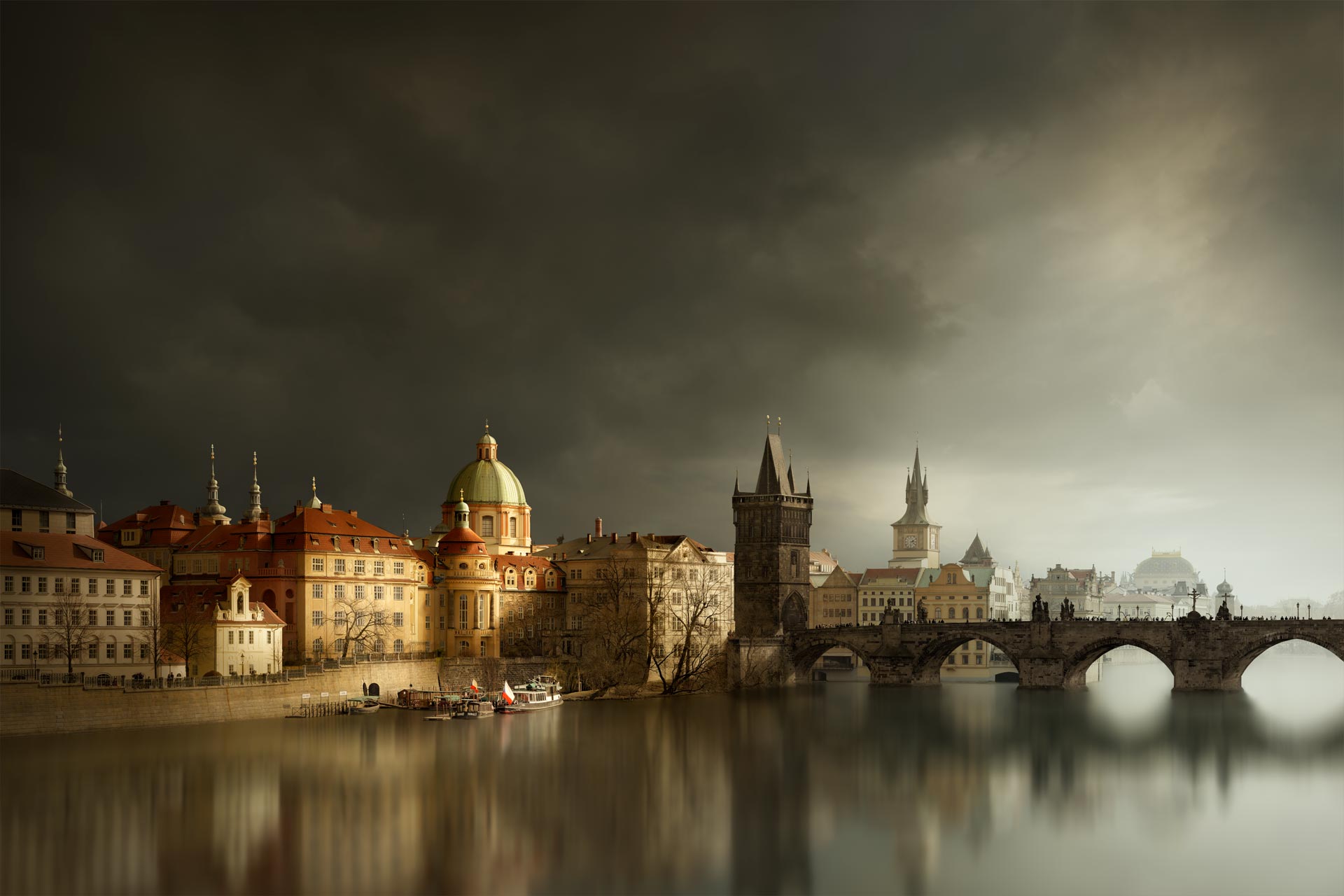
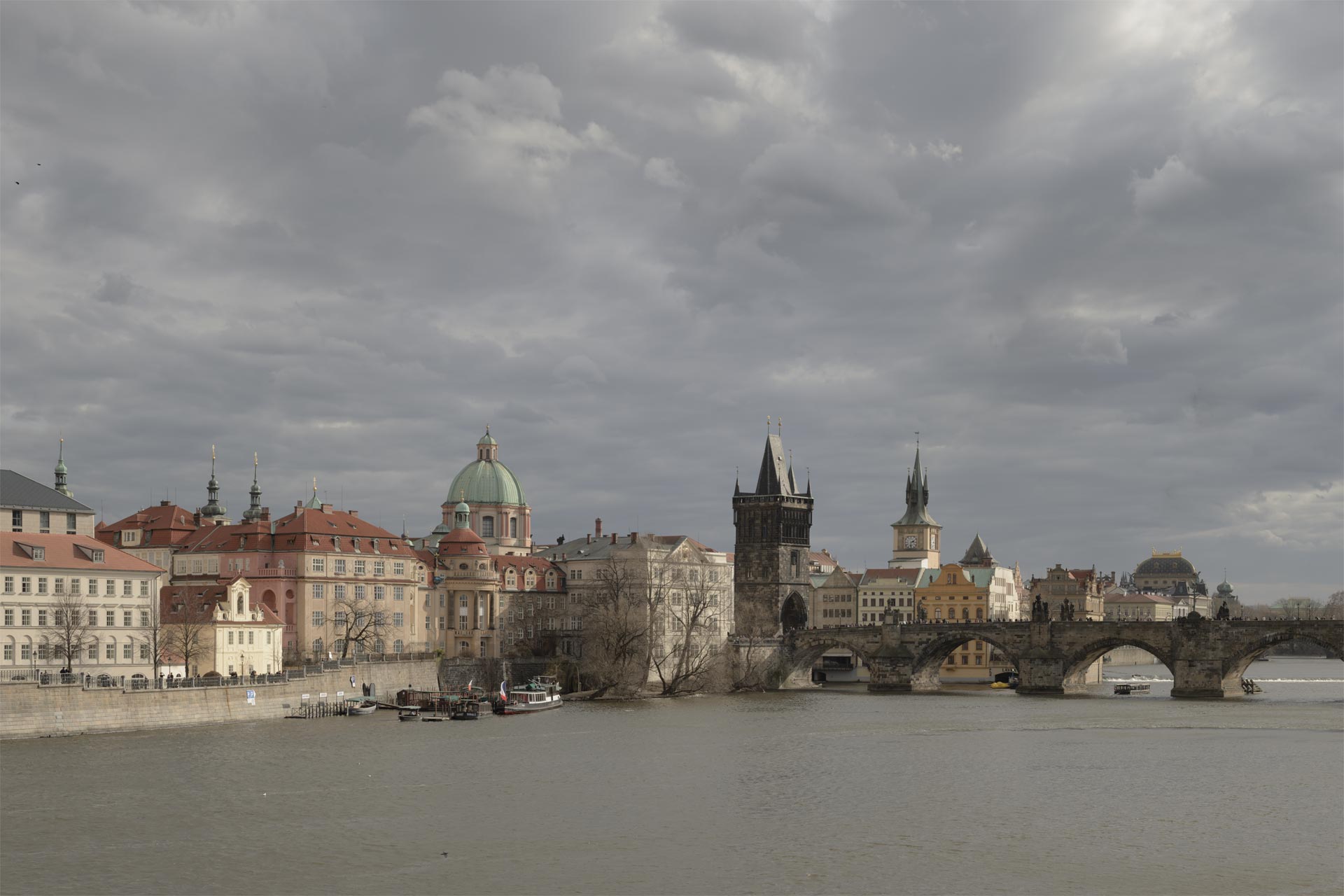
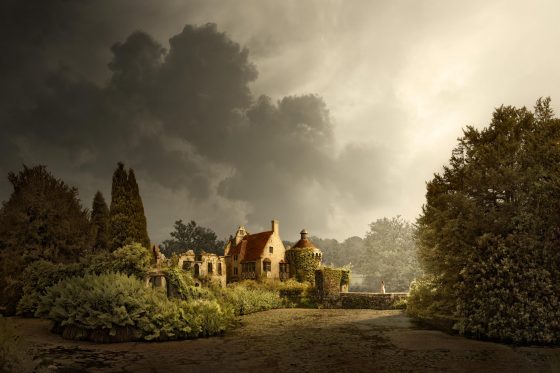
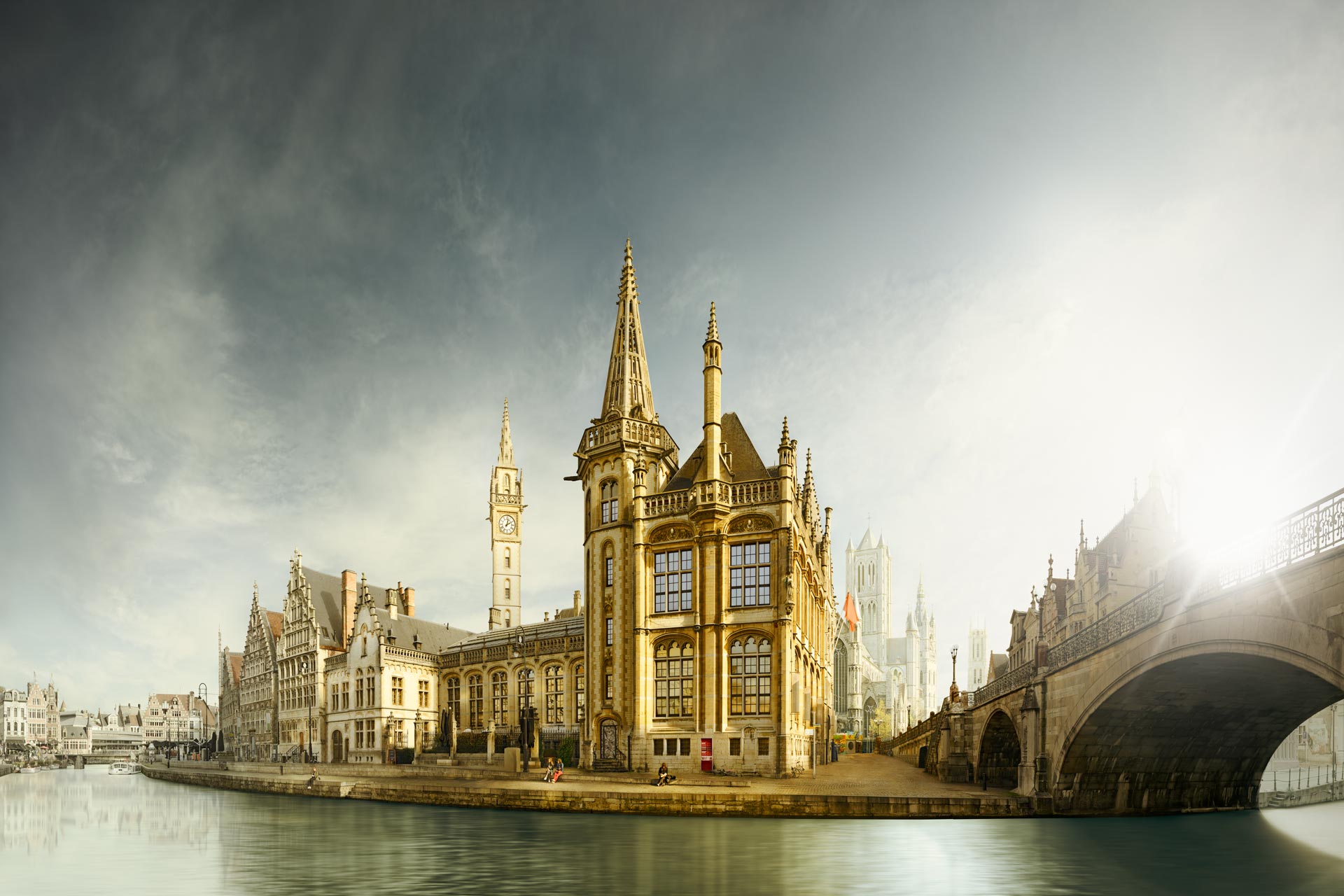
Scotney Castle, England 23 - (Press Esc to Return)
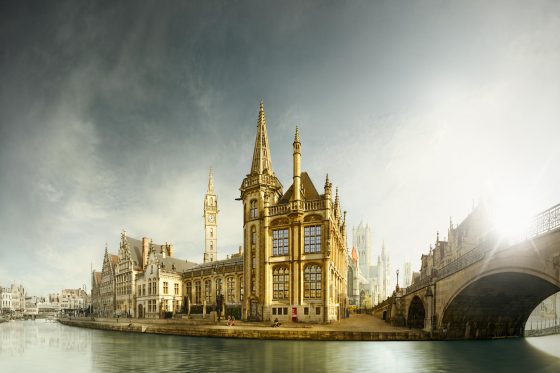
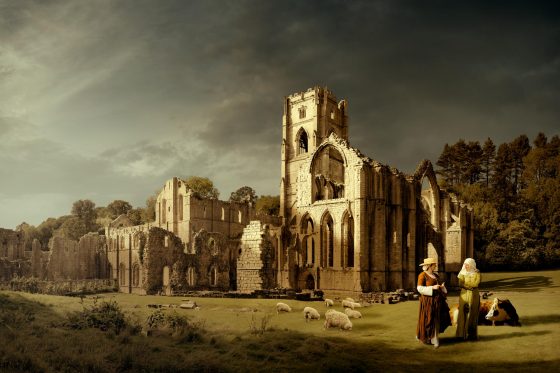
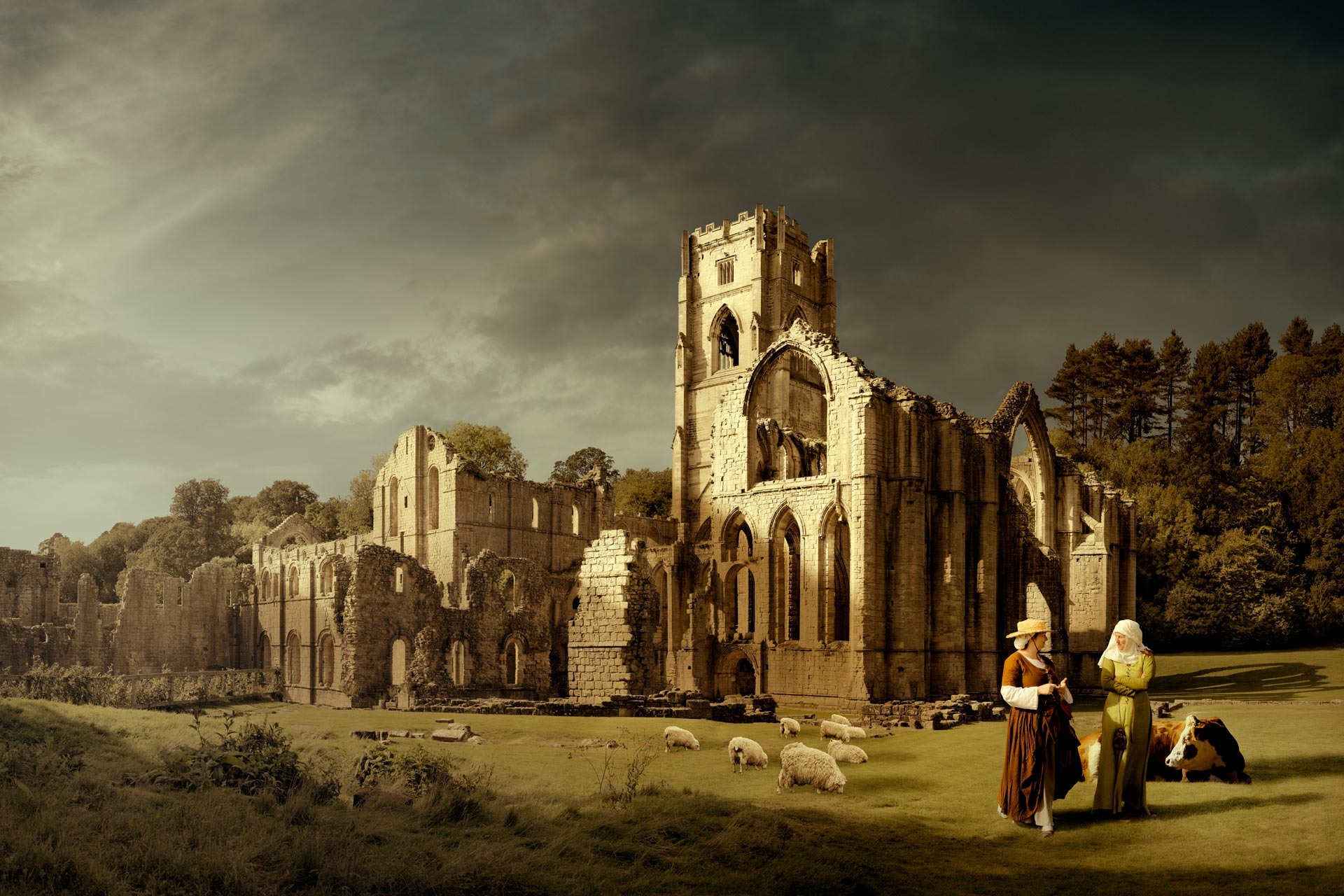
Fountains Abbey, England 17 - (Press Esc to Return)
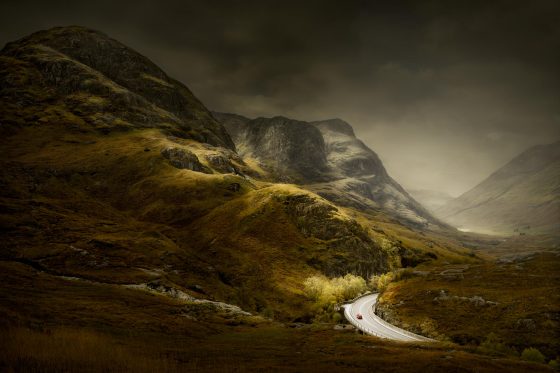
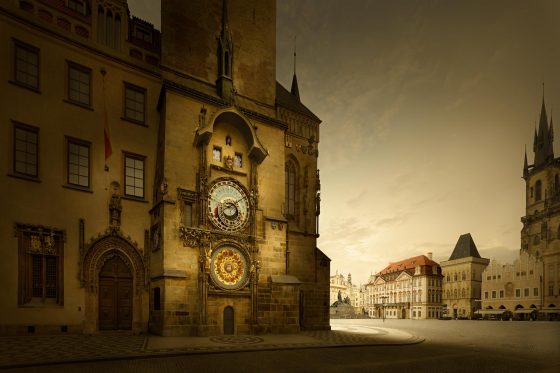
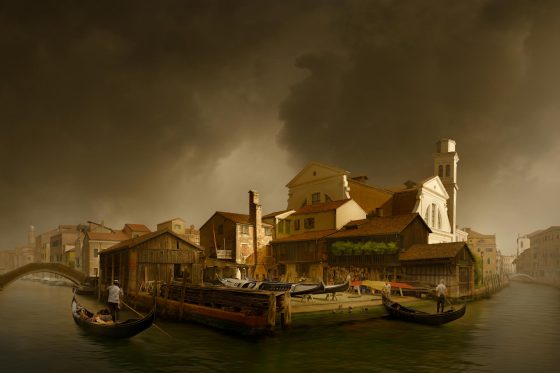
Freedom To Create Like Painters …

Give Your Photography A Fresh Start Today
“Personal photography workshops for enthusiasts wanting creative satisfaction. Upgrade your Photography to an artistic and creative level. – In one workshop, I teach you Human behavior to understand ‘How pictures work,’ then Artistic knowledge and principles to ‘Make pictures that work,’ before the Photography and Photoshop techniques. Other Photography workshops don’t teach the entire subject of Photography, nor have my 40 years of experience as a professional working photographer. Live online and in-person workshops with a clear and easy, logical plan.”
“Give a man a fish; you feed him for a day.
Teach a man to fish, and you feed him for a lifetime.”
David Osborn Photography, London, England, 2024.
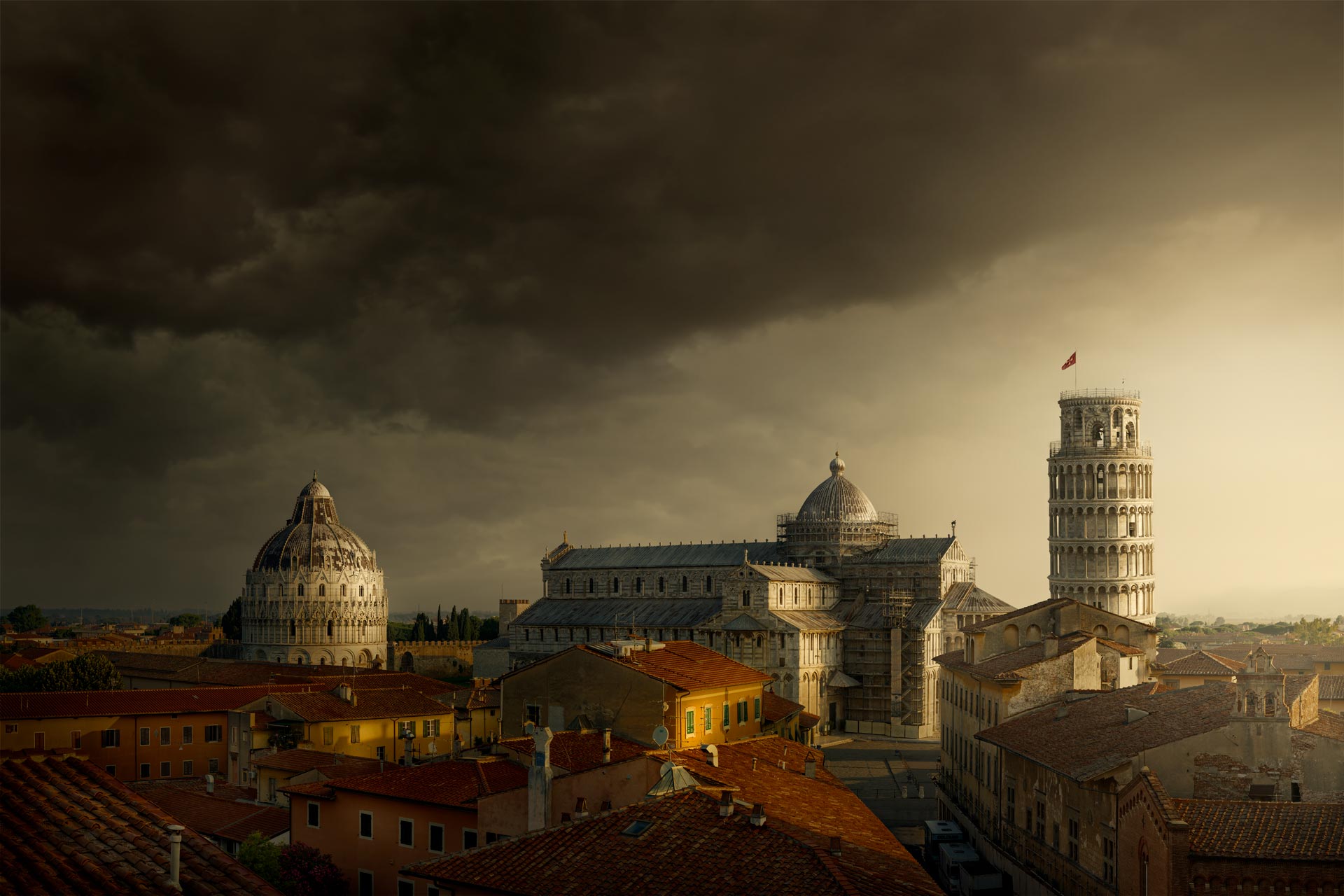
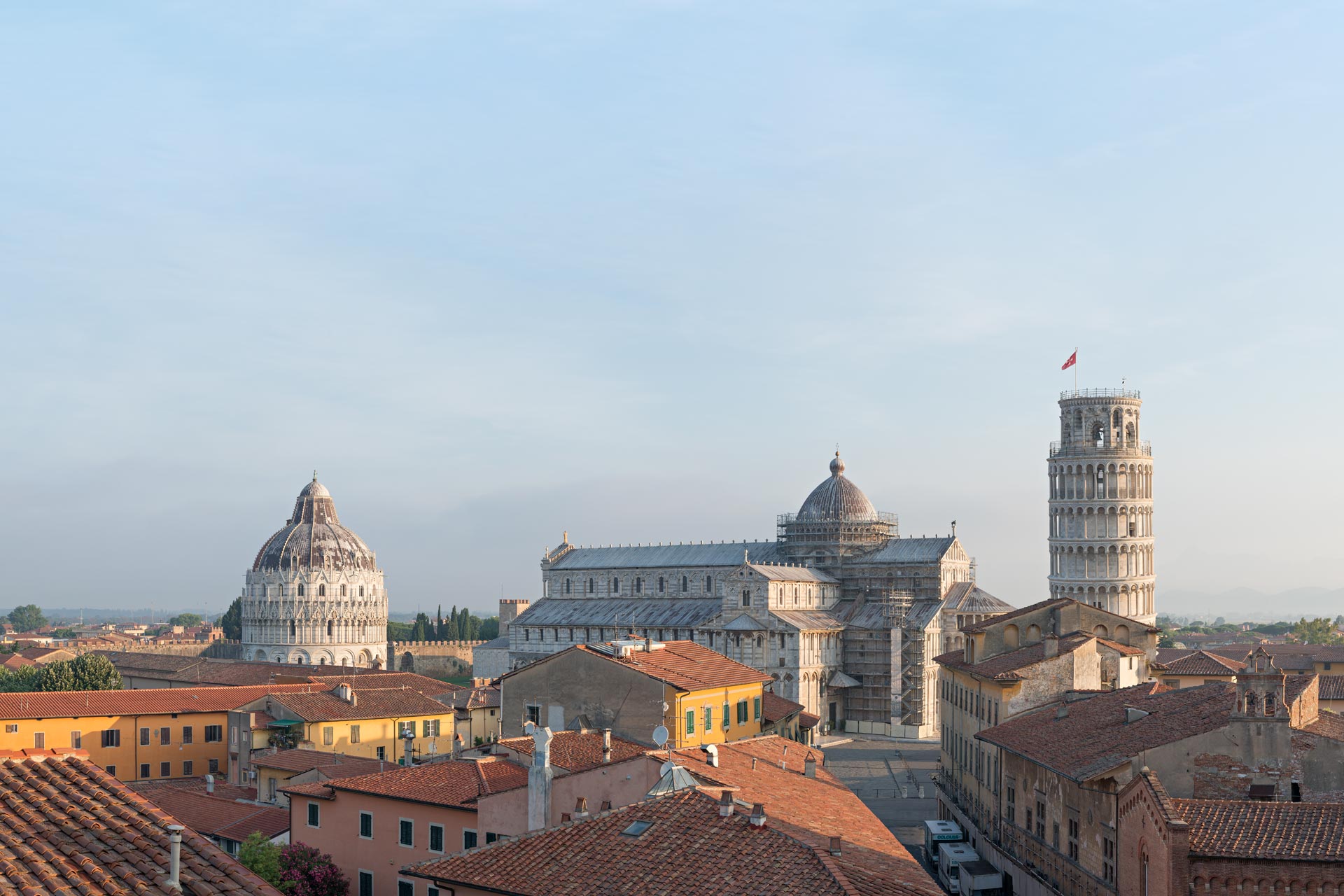
The Leaning Tower of Pisa, Italy – Before & After Image.
Create Artistic Photography …
I know the creative disappointment and the frustration of being trapped in a world limited to making literal photographs. In my 40-year career as a professional photographer, I’ve learned a lifetime of knowledge and experience to teach you how to break free from this frustrating trap. – Now, I enjoy the creative satisfaction of making beautiful artistic pictures. It’s time to help others achieve satisfaction by passing on my years of knowledge and experience.
Creative satisfaction comes from having artistic freedom. The artistic knowledge to create an extraordinary photograph from an ordinary scene. To transform a literal picture beyond what you see. Photographers make literal photographs because they rely on cameras to do all the work; they don’t add any creativity to transform the picture into something special. A lack of artistic knowledge and old habits keep you a prisoner of making literal photographs.
How can you learn to be artistic? I plan to teach you human behavior and artistic knowledge. If we combine the wisdom of the old master painters with our Photography, our pictures will be beautiful works of art. The feeling of a painting but the detail of a photograph. Compelling photographs infused with light, mood, drama, and atmosphere. – Works of art that ignite our curiosity, imagination, thoughts, and feelings. – I will teach you how to achieve this.
My workshops are unique because they include subjects other workshops don’t teach. Most workshops teach Photography in isolation, disconnected from all the related knowledge you need to be a good photographer. Photography and Photoshop can be learned anywhere, but artistic expertise is scarce. Yet, artistic knowledge provides the artistic freedom that leads to your creative satisfaction. A new holistic approach gives your Photography a fresh start.
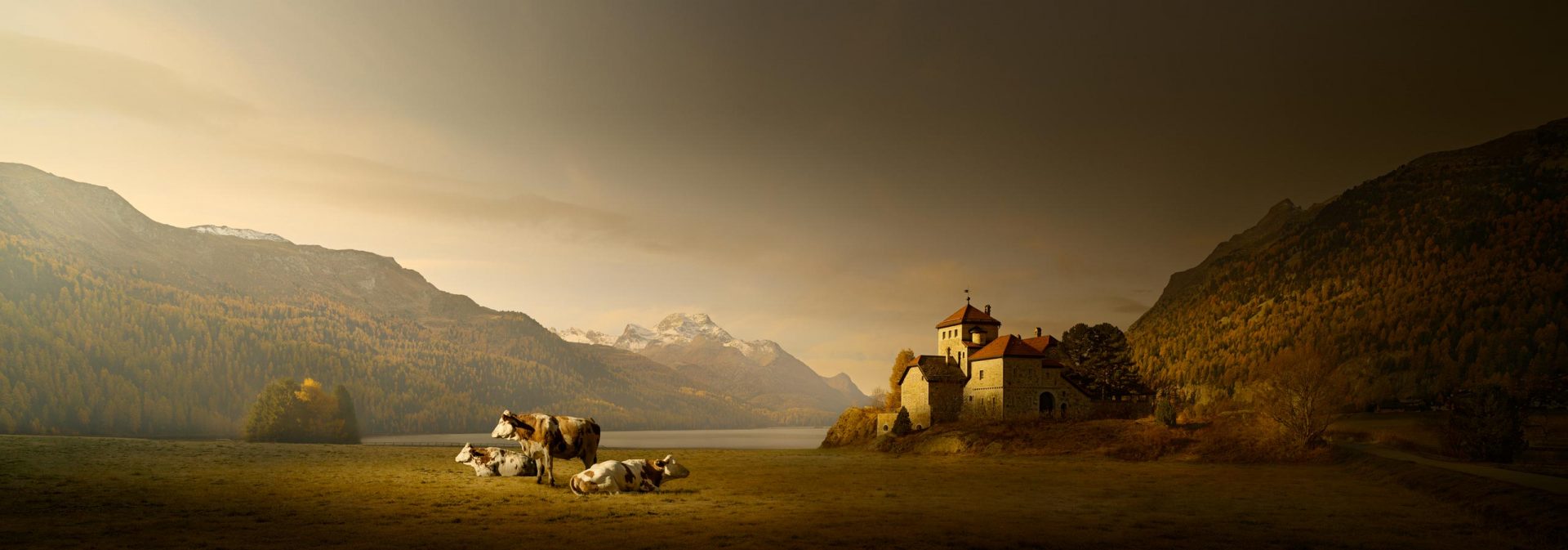
Silvaplana Castle, Switzerland.
“Photographers make literal pictures because they rely on cameras to do the work; they don’t add creativity to transform the picture into something special.”
David Osborn Photography
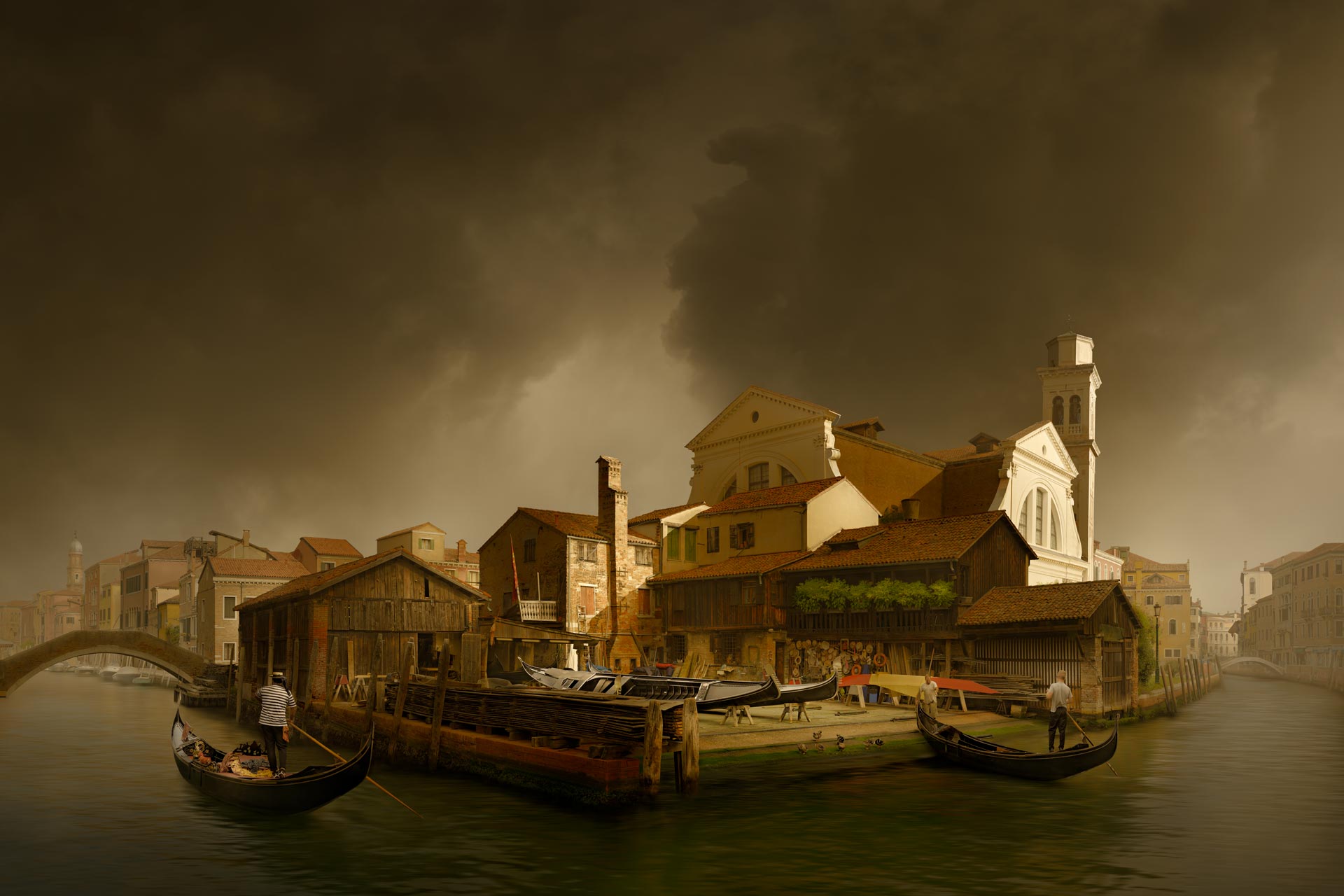
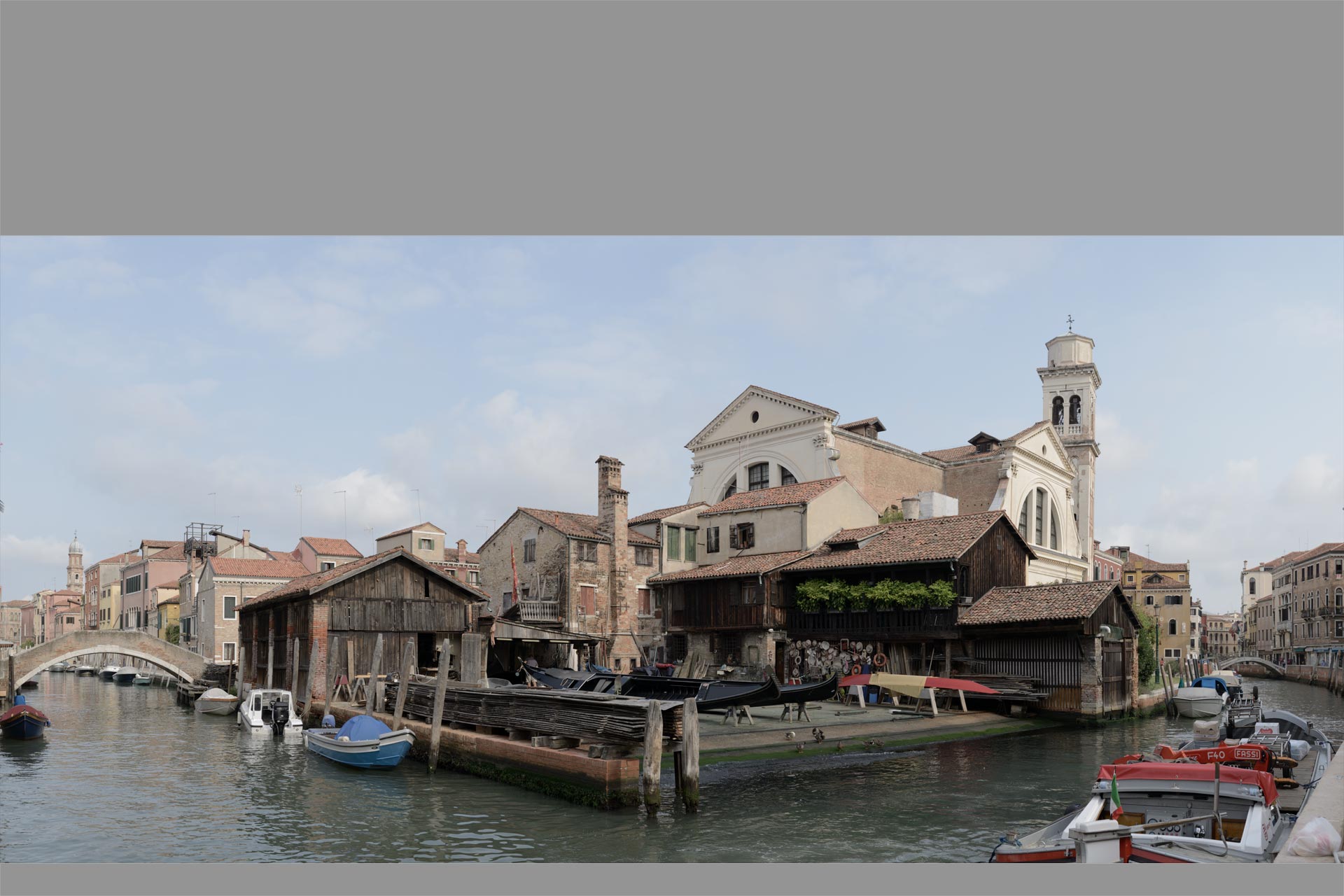
Venice, Italy – Before & After Image.
My Plan: But In Tutorial Form …
The process benefits photographers, but pictures reward viewers. Improving at Photography requires one fundamental change in mindset first. – Your enjoyment of taking pictures is not the priority; the picture and the viewer are. If you make good pictures for viewers, you make good pictures for yourself. You make compelling pictures that stimulate everyone.
Human nature dictates that everything we do or buy is motivated by a ‘Purpose and Benefit.’ It contradicts human nature to do anything that has no purpose and provides no benefit. The photographer takes pictures for a reason. Equally, viewers look at images for a reason. What reward do viewers get from your photographs? – We need to appreciate their perspective.
The purpose of a picture is to stimulate the viewer and evoke an emotional response. ‘Good’ pictures are thought-provoking. Pictures are conversations; your picture makes a statement, and viewers respond. Viewers may not ‘like’ your photograph, but it must stimulate them. A picture with ‘nothing to say’ is dull, and nobody enjoys a boring, dead-end conversation.
Be different, not better. Human nature dictates we prefer ‘Different.’ Do we enjoy the same conversation we’ve had many times before? Different stimulates curiosity and engagement. ‘Same’ and ‘literal’ encourage disinterest or even boredom. Creative satisfaction comes from being able to say something uniquely. ‘Different’ – but done well is the ideal aspiration.
Prioritizing the picture and viewer forces us to learn subjects beyond Photography, subjects not known if Photography is limited to the enjoyment of taking pictures. Human behavior to understand ‘How pictures work.’ Artistic knowledge to ‘Make pictures that work.’ – Now, we learn the fundamentals behind Photography, not Photography on a superficial level.
An easy way to improve your Photography is to apply the concept of making a ‘Product.’ – All products have three components – Purpose, End User, and Product. All ‘Products’ are defined as ‘The product’s purpose is to benefit the end user and create a good user experience.’ This represents every product we use. – Why not use it to help us make better pictures?
Let’s look at each aspect of a ‘Product’ in detail:
Photography is art. Art is communication. The function of art is to stimulate the viewer’s mind and evoke an emotional response. To stimulate curiosity, imagination, thoughts, and feelings. What pictures ‘say’ is more important than what pictures ‘show.’ Stimulating viewers’ minds is the picture’s purpose. The feelings produced, the emotional response, is the viewer’s benefit. Pictures are similar to books; the purpose is what they communicate, not the book itself. We enjoy reading books with something to say – the same applies to pictures. – A good product has a clear purpose and provides a clear benefit. – What do you want your pictures to say?
Our end user is the viewer. We can’t create pictures people respond to unless we know how people respond to pictures first. – More importantly, by knowing how people perceive, then respond to pictures, we can use this knowledge to influence the viewer’s response when we create pictures to evoke more robust responses. Learning about human nature, behavior, and psychology means understanding how human communication ‘works.’ How can we push the viewer’s emotional buttons and communicate ideas effectively if we don’t understand how people use our product, the process of looking at and responding to photographs?
As a viewer, literal pictures don’t provide a benefit because they show us what we expect to see. Not showing anything new, they don’t ignite our curiosity. Pictures we don’t understand provide no benefit because we can’t engage with them. A compelling picture is in the sweet spot between the two extremes. – Light, three-dimensional form, and atmospheric distance give the picture a foundation of realism, a point of reference to understand the picture. Then, the artistic treatment takes the pictures beyond looking literal, offering us something unique but understandable. This stimulates our minds and ignites our curiosity. – The ideal balance.
Artistic knowledge is the life and soul of your photograph. It translates cold, mechanical raw files into beautiful, personal, artistic statements. It frees you from creating mundane, generic, and literal-looking pictures. Cameras only record; it’s people who create. – Retouching is your only chance to create and transform ordinary subjects into compelling pictures infused with light, mood, drama, and atmosphere. Writers use written language; photographers use visual language. – Artistic principles codify this visual language into a set of creative guidelines we use to create pictures people respond to at an emotional level. – Compelling pictures.
A Clear Plan Minimizes Your Financial Risk.
A clear, concise, and structured plan minimizes your risk of not learning from my workshop or getting a worthwhile return on your financial investment. Trial and error learning is inefficient and chaotic. – ‘Pictures as Products’ gives learning order and structure, a framework that fast-tracks learning because it accounts for every facet needed to create compelling pictures that resonate with people. – It’s not about selling photographs or doing Photography as a job.
Mastering Photography means less emphasis on Photography skills and greater emphasis on learning human nature and artistic knowledge. Therefore, I teach you human behavior so you know ‘How pictures work,’ and artistic knowledge to ‘Make pictures that work,’ before all the Photography and Photoshop techniques.
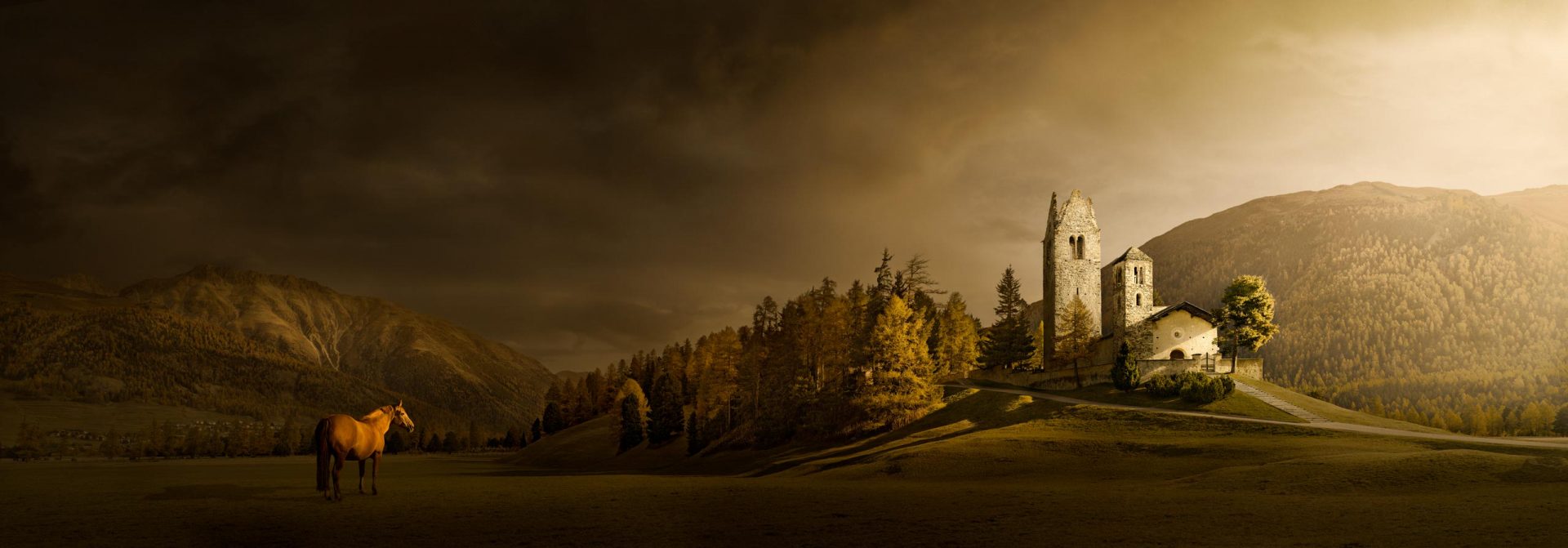
St Moritz, Switzerland.
“Creative satisfaction comes from artistic freedom, and freedom comes from learning artistic knowledge.”
David Osborn Photography
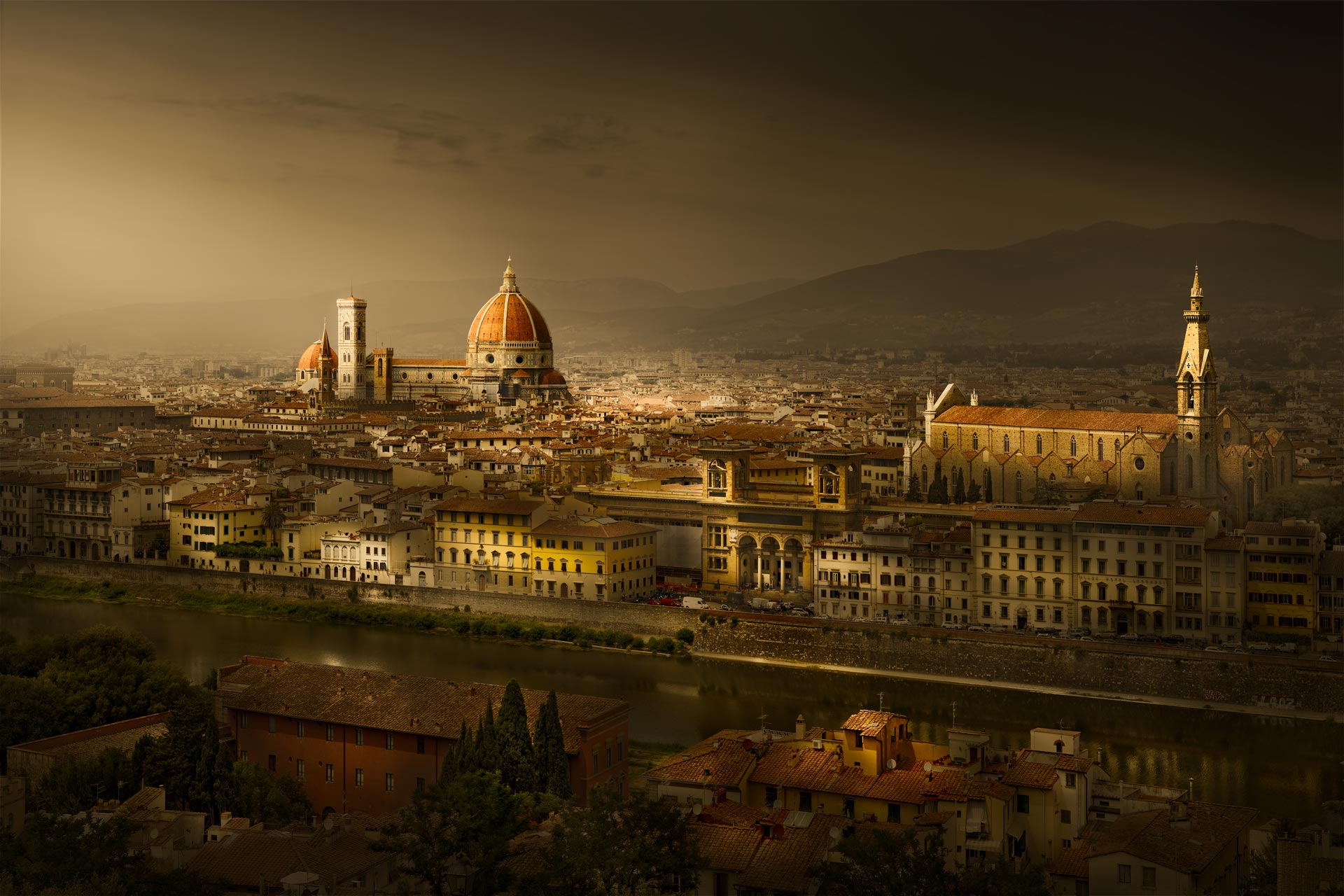
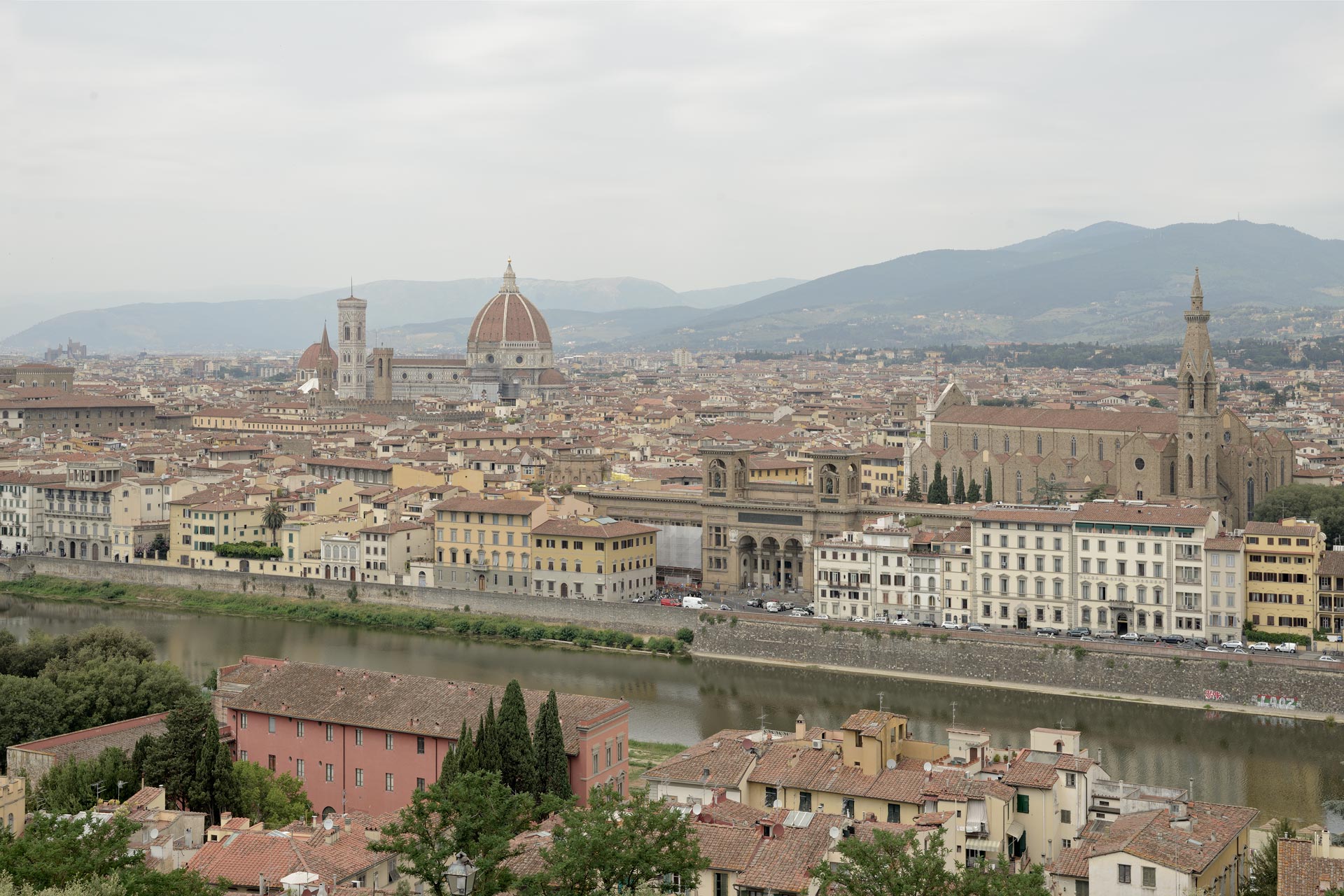
Florence, Italy. – Before & After Image.
Not All Workshops Are Equal …
Digital Photography has brought Photography to everyone, but sadly, it has also given rise to many unqualified, self-proclaimed ‘experts’ posing as professionals. They dominate the world of photographic knowledge, education, and workshops on the internet through social media and YouTube. They have a massive influence – but very few have done Photography as a job. They’ve never been paid to TAKE photographs, but are teaching you to take BETTER pictures. Not all, but a great many aren’t qualified to teach. – It’s a severe problem.
Working photographers have a client who provides a brief. The photographer makes pictures to illustrate the brief and communicate the idea, story, or event to the end users, the readers. Social media ‘experts’ take pictures for themselves. There’s no client, no brief. The purpose of their pictures is self-promotion packaged as ‘Education’ – to attract workshop customers and sell products or YouTube views. There’s a massive difference between pictures that stimulate a broad audience and those that need to satisfy yourself and look ‘nice’ superficially.
This produces a catastrophic flaw in photographic tuition and workshops today. – They don’t understand how to create pictures that stimulate people or how pictures stimulate people. – They teach you mediocrity, to make mechanical, literal, and generic-looking, ‘postcard-style’ photographs that all look the same. They teach you how to make what people don’t want to see. What they make contradicts human nature to enjoy. – They show us ‘what we expect to see’ in a way we’ve ‘seen many times before.’ – They don’t offer us anything original.
It’s not my opinion that judges them as poor photographs; fundamental human nature does. Generally, their subjects are not original enough to stimulate our interest and not artistically transformed enough to stimulate our curiosity. – They contradict human nature’s preference for ‘Different.’ We gain little ‘Benefit’ from looking at them, so there is no ‘Purpose’ to looking at them. We all ‘sense’ something is lacking in their pictures but can’t put our ‘finger on it.’ We all have the same ‘basic operating system,’ human nature. – Do you find them stimulating?
Why are we in this dire situation? – Their only experience of Photography is ‘their enjoyment of taking pictures.’ The enthusiast market is vast, and education is the best way to tap into it for money. So, they promote Photography as enjoyment, even mental well-being, to attract enthusiasts, add some basic technical knowledge to justify the education and income angle, and finally, call themselves ‘Professional’ to gain credibility, authority, and trust. – Am I being unfair? – It’s an intentional deception to make superficial knowledge sound profound.
The crime is they blur the line between enjoyment and being a better photographer; they are deceiving you into thinking that you will be a better photographer through mere enjoyment. This is ridiculous insanity. One is process; one is product. – They promote enjoyment to cover their ignorance and lack of knowledge. – Tell me: How can being ‘happy’ teach you what you need? – Where is the knowledge going to come from? – Pictures have principles; principles can be taught. Learn the principles; you improve your photography. Everyone can do this.
Most of these social media ‘experts’ offering workshops and tuition today, don’t know how to create good, compelling photographs, and they can’t teach you, what they don’t know – their fallback is ‘enjoyment. – If they can’t teach you to be artistic, creative, or different, you can’t get creative satisfaction from what they teach you. There are many great Photography workshops, but they are very hard to find; they are the minority today. The problem today is you need a digital camera and a website, and you’re qualified to teach everyone.

Wildenburg, Switzerland.
“Social media influencers all talk like racehorse experts – but, they sell you a horse with a leg missing.
– No wonder you don’t win races!”
David Osborn Photography


Haarlem, Holland – Before & After Image.
How I Make Learning Easy …
I simplify learning by teaching you just one workflow in small modules. Each module is taught step-by-step, and each step has an explainable reason, so nothing is left ambiguous. Add the modules together, and you learn the complete workflow, in the sequence I use to create my own photographs. – I start with human behavior first, artistic principles second, and then the Photography and Photoshop techniques. – The workshop consists of just nine modules.
You will receive workshop notes for every module and each step taught. The Photoshop files used and all the live video recordings of every session: provided your workshops online. After completing your workshop – I am available for free follow-up advice, answer your questions, and critique photographs. The aim is to give you all the knowledge and resources to continue improving and learning in your own time, conveniently and efficiently after the workshop.
Trial and error learning is slow and painful, takes years, and does not guarantee success. The most efficient and cost-effective solution is personal one-to-one tuition. – You’ll learn more knowledge in less time with personal training – and the nine online sessions all work around your working life; being booked on demand when convenient for you. An ‘in-person’ option is also available. – Improvement needs a one-off investment in knowledge, not cameras.
One investment in your knowledge. One time in your life.
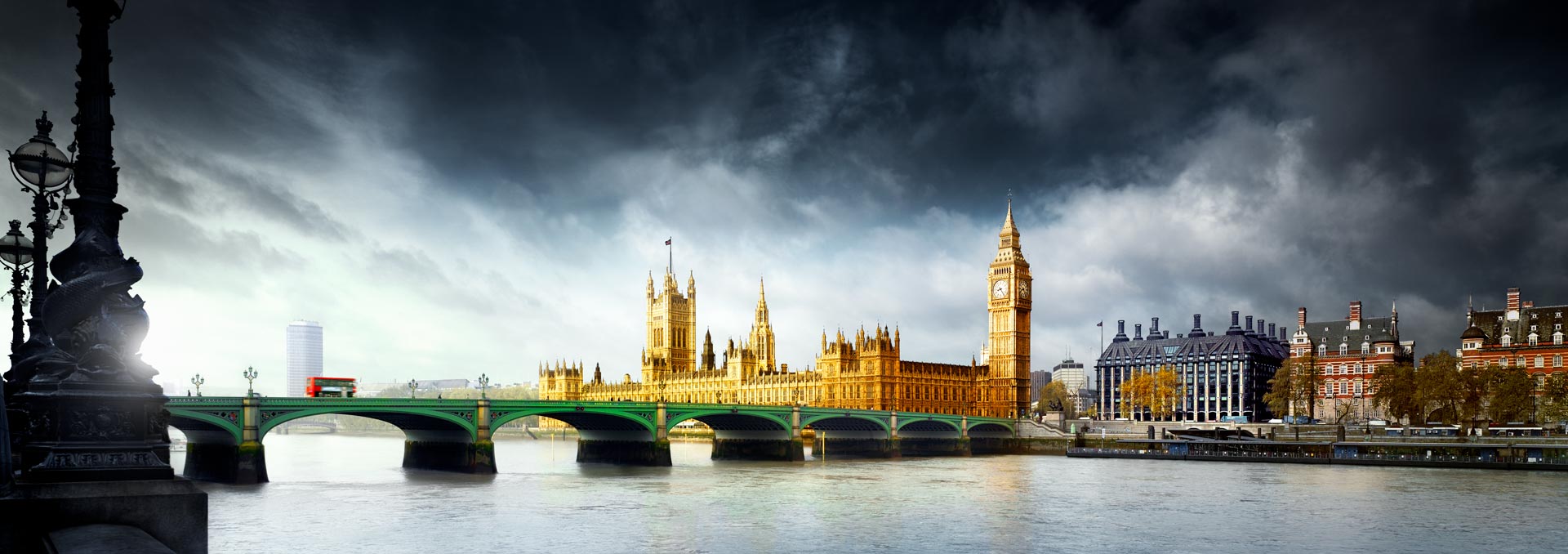
Houses of Parliament, London.
“A fresh start only takes one investment in knowledge, and creative satisfaction will then follow.”
David Osborn Photography
One Workshop: Two Options …
Only 24 Students A Year.
As a perfectionist, my priority is quality tuition. This can only be achieved as a personal one-to-one service. However, this limits my time available and the number of students I can teach. My 40 years of experience as a professional working photographer, combined with my very unique knowledge and approach to teaching, means I get booked up in advance. – Please book early.
The first available workshop is April 2024.
The Entire Subject Of Photography
“I teach you human behavior and artistic principles first, then Photography and Photoshop techniques, all in one workshop with the luxury of one-to-one attention.”
David Osborn Photography, London, England, 2024.
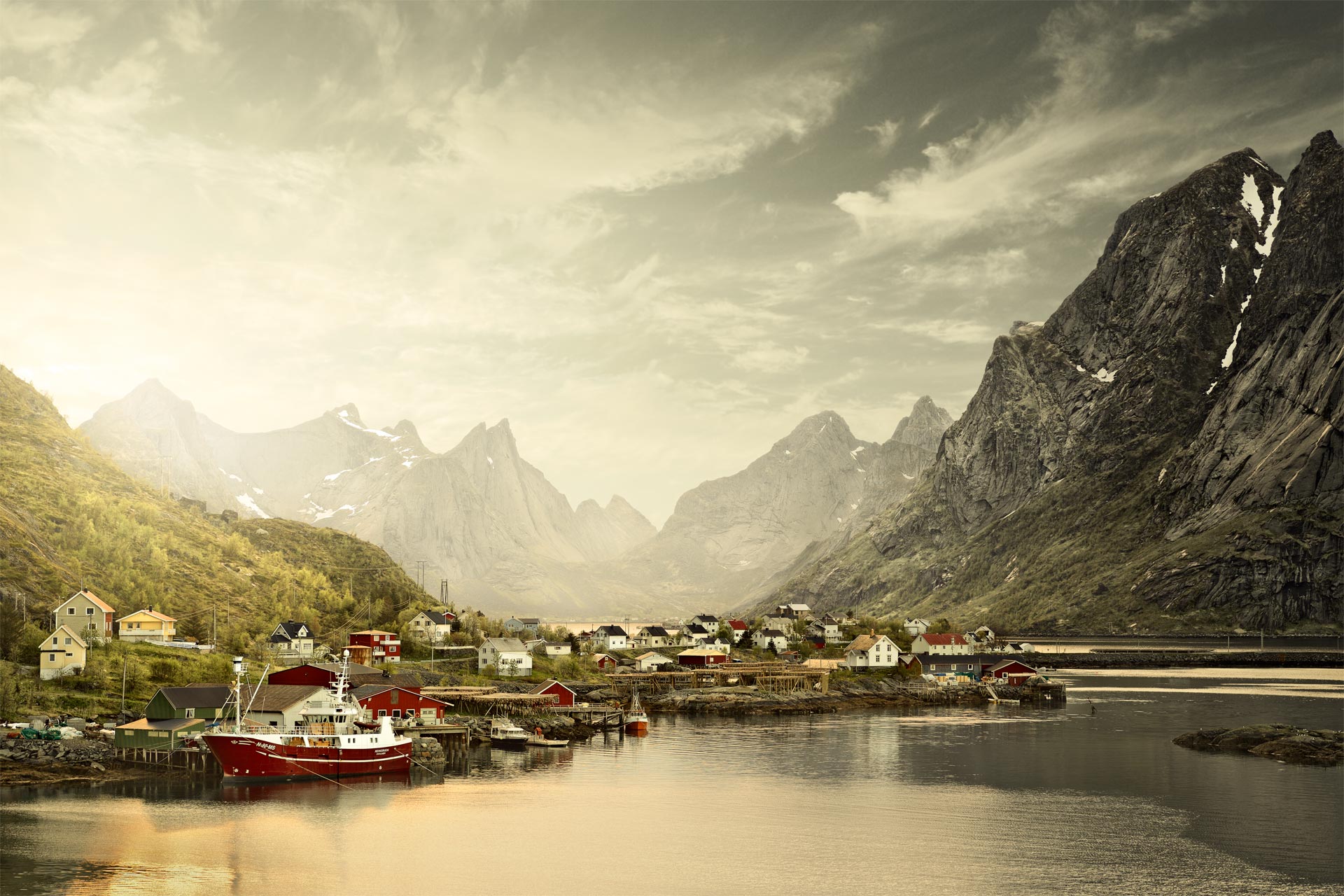
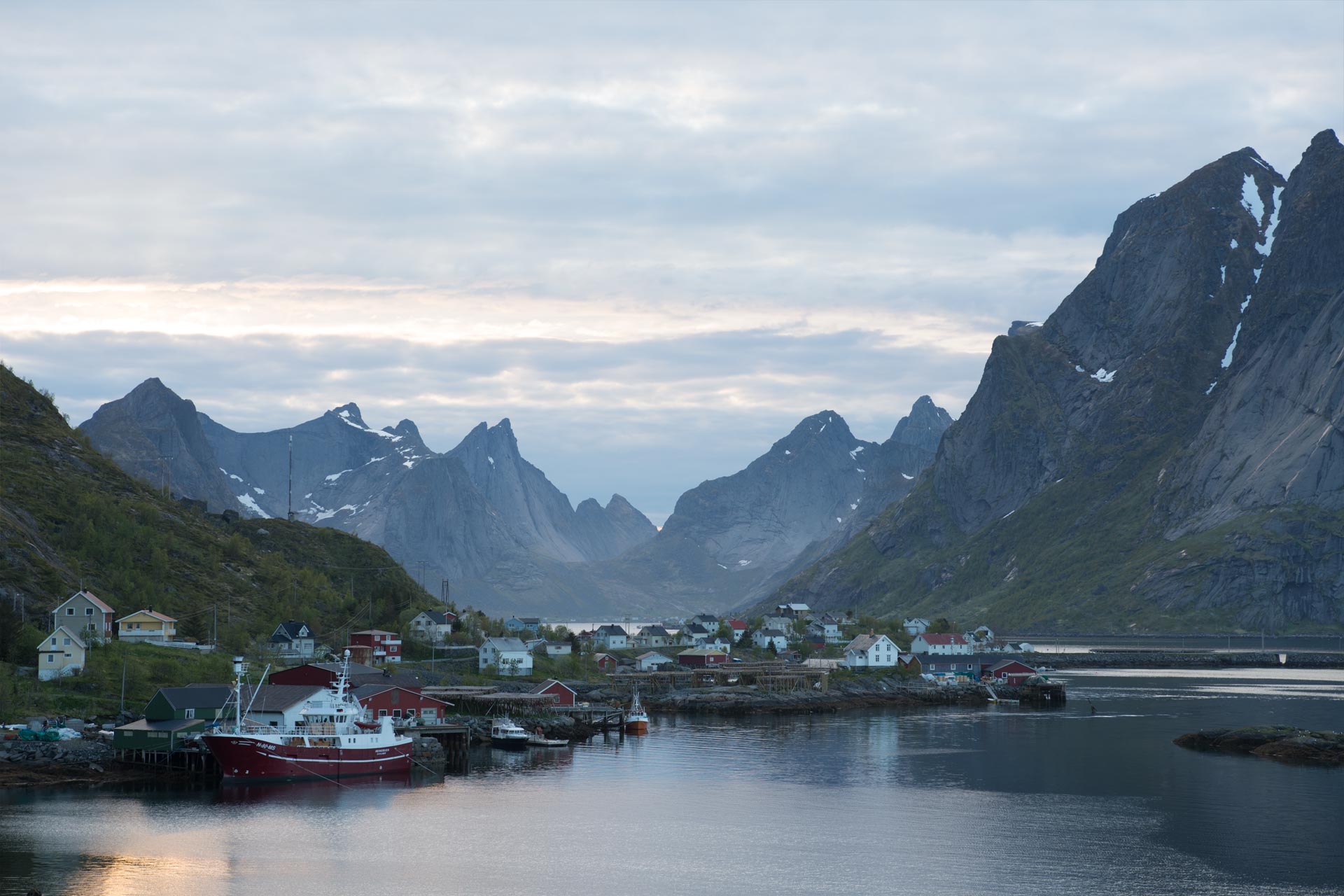
Reine, Lofoten Islands, Norway – Before & After Image.
Learn Online At Home With A Coffee …
Online – Most Popular
£4,945
See Details Below.
In Person Workshop
£6,953
See Details Below.

Average Workshop Cost
£8,868 +
National Geographic Expeditions. Average cost of their Photo Tours excluding international travel and extras. Maximum group size of 88.
Average calculations are based on 31 tours shown on their 2023 website.
Video Recordings Are Critical To Continue Learning.
Having your entire workshop video recorded live, is worth the cost of the workshop alone. – Videos provide you with lifelong documentation of every step and principle to continue learning for many years to come. This is unique knowledge you won’t even find at university; it’s based on 40 years of real-life work experience, refined through 8 years of teaching Photography, and many years of personal research. These videos are independent workshops in their own right. Self-contained, comprehensive knowledge to refer to at your convenience for years to come.
Please Read The FAQ Page For More Information, Terms & Conditions.
David Osborn Photography

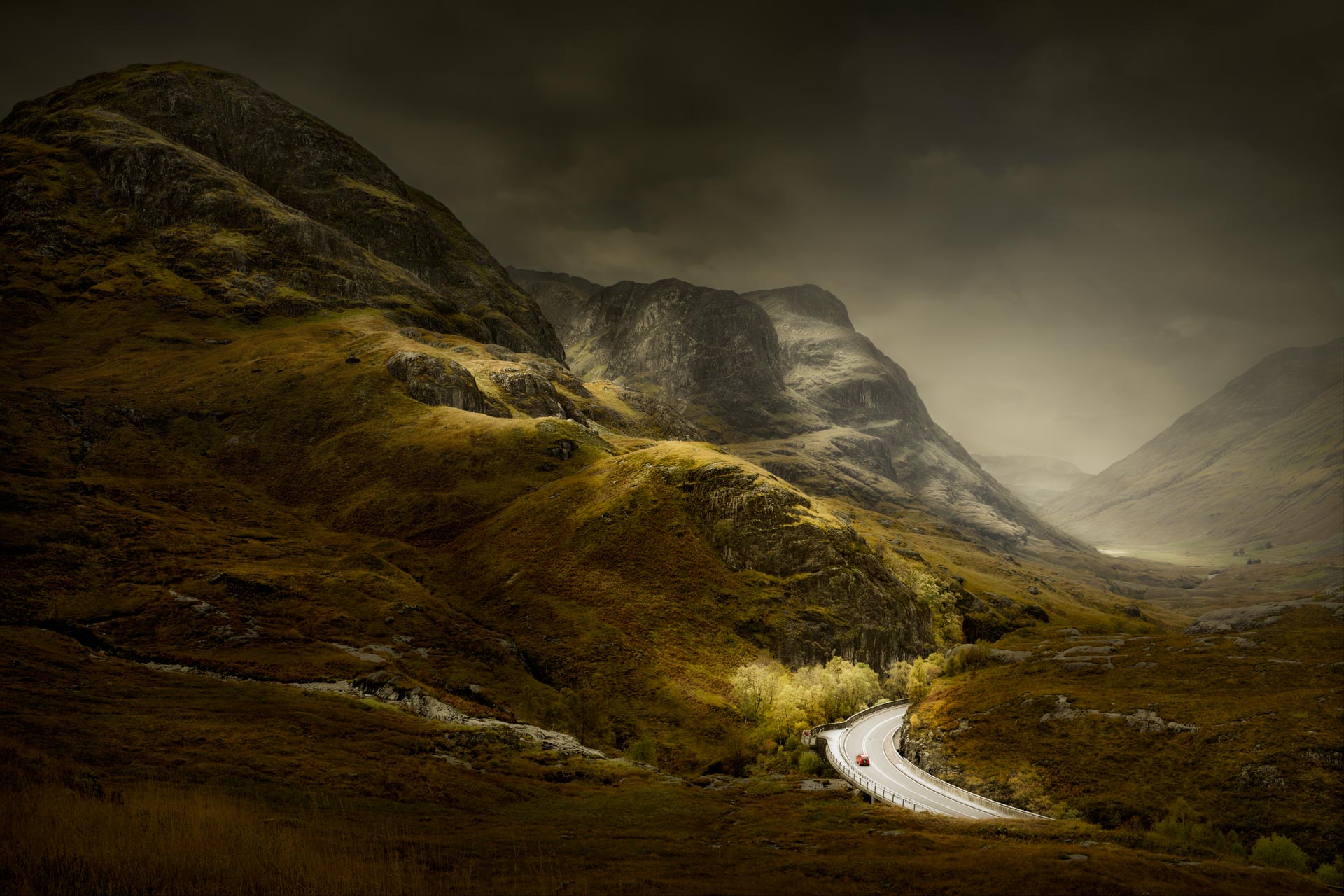
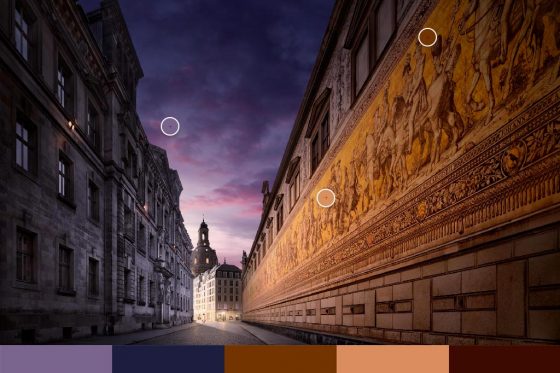
Science proves what I teach you works: Where we look in the first 3 seconds.
7 Questions Answered …
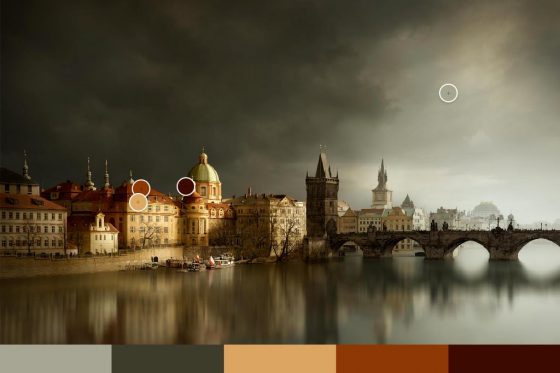
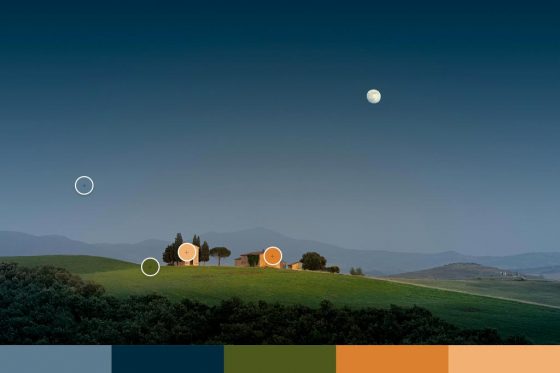
David Osborn Photography
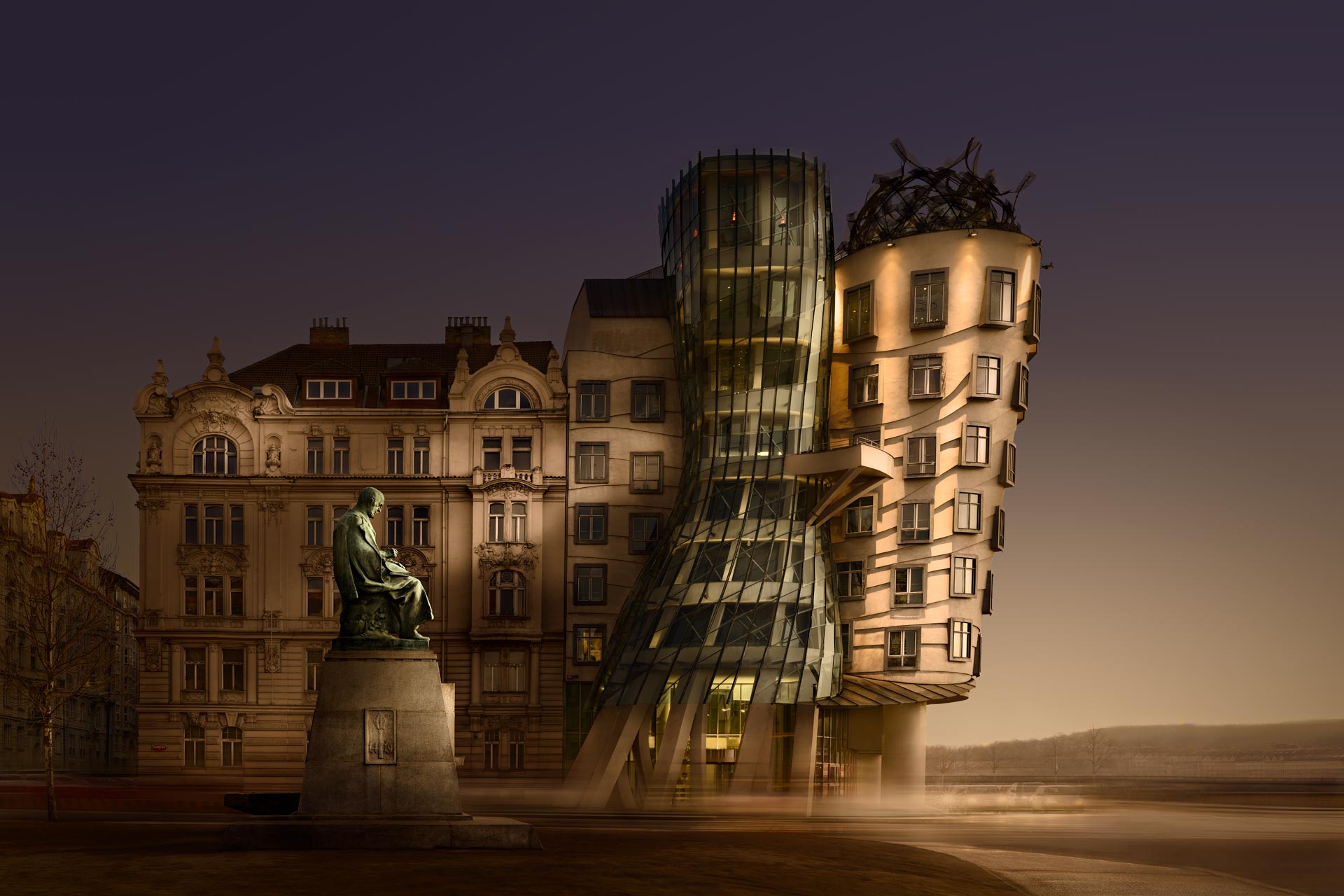
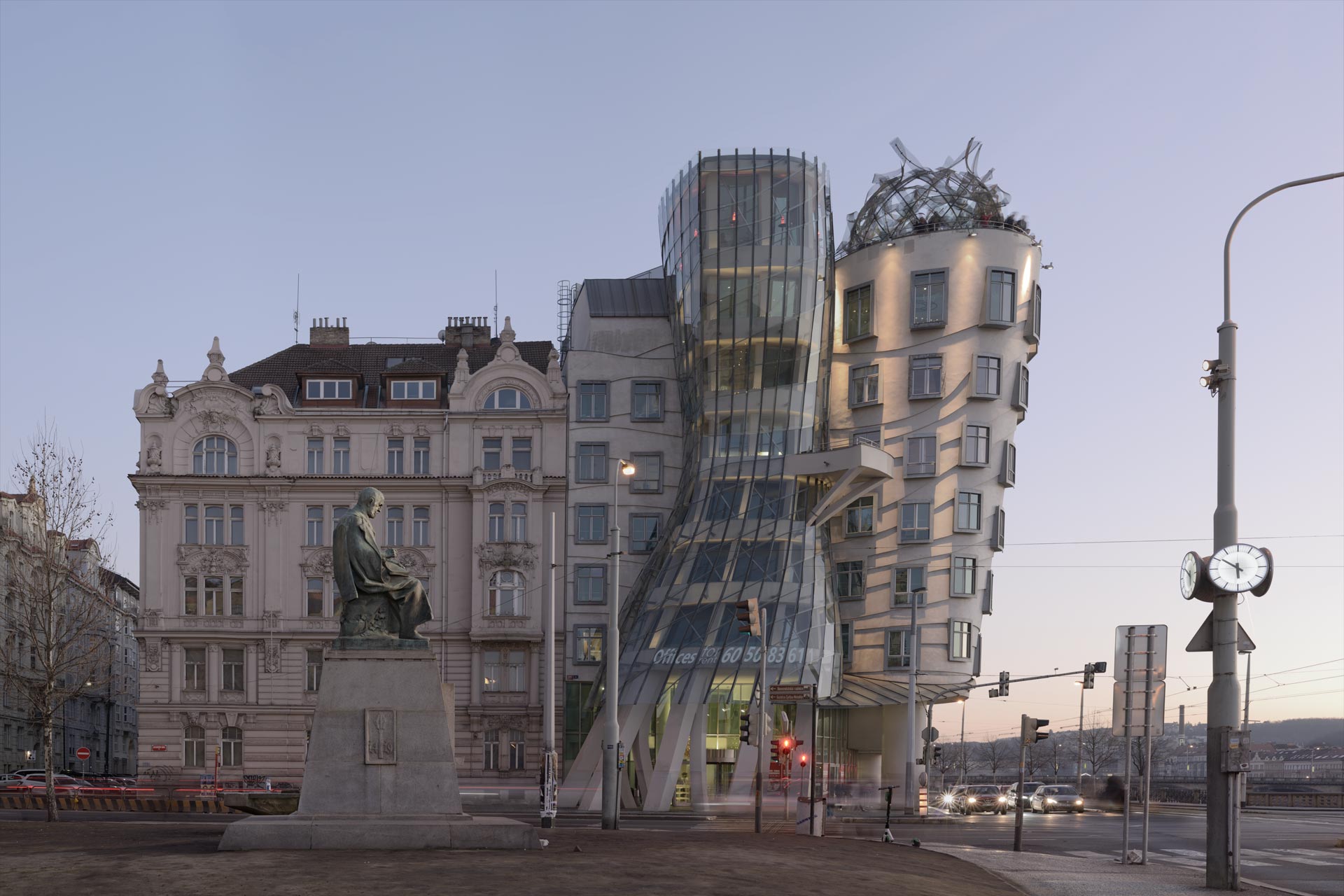
The Dancing House, Prague, Czech Republic – Before & After Image.
Reserve Your Workshop …
Please email me the information below. I will get back to you quickly, and personally.
Until then, many thanks and my best regards, David.
The first available workshop is April 2024.


David Osborn Photography
Let’s Talk …
Let’s chat live on a Zoom call first, free of charge, and answer any questions or concerns you may have before making a booking or payment. Just send me an email, and we’ll arrange a date to talk in person.
David@DavidOsbornPhotography.com
David Osborn Photography
69 Grange Gardens, Southgate,
London N14 6QN, England.
UK +44 (0) 771 204 5126
Share This Page On Your Social Media
Join My Newsletter
[impeka_contact_form id=”” inputs_borders=”” button_color=”primary-3″]